How to Prepare Your Vehicle for Towing Safely in the UK
20 October 2026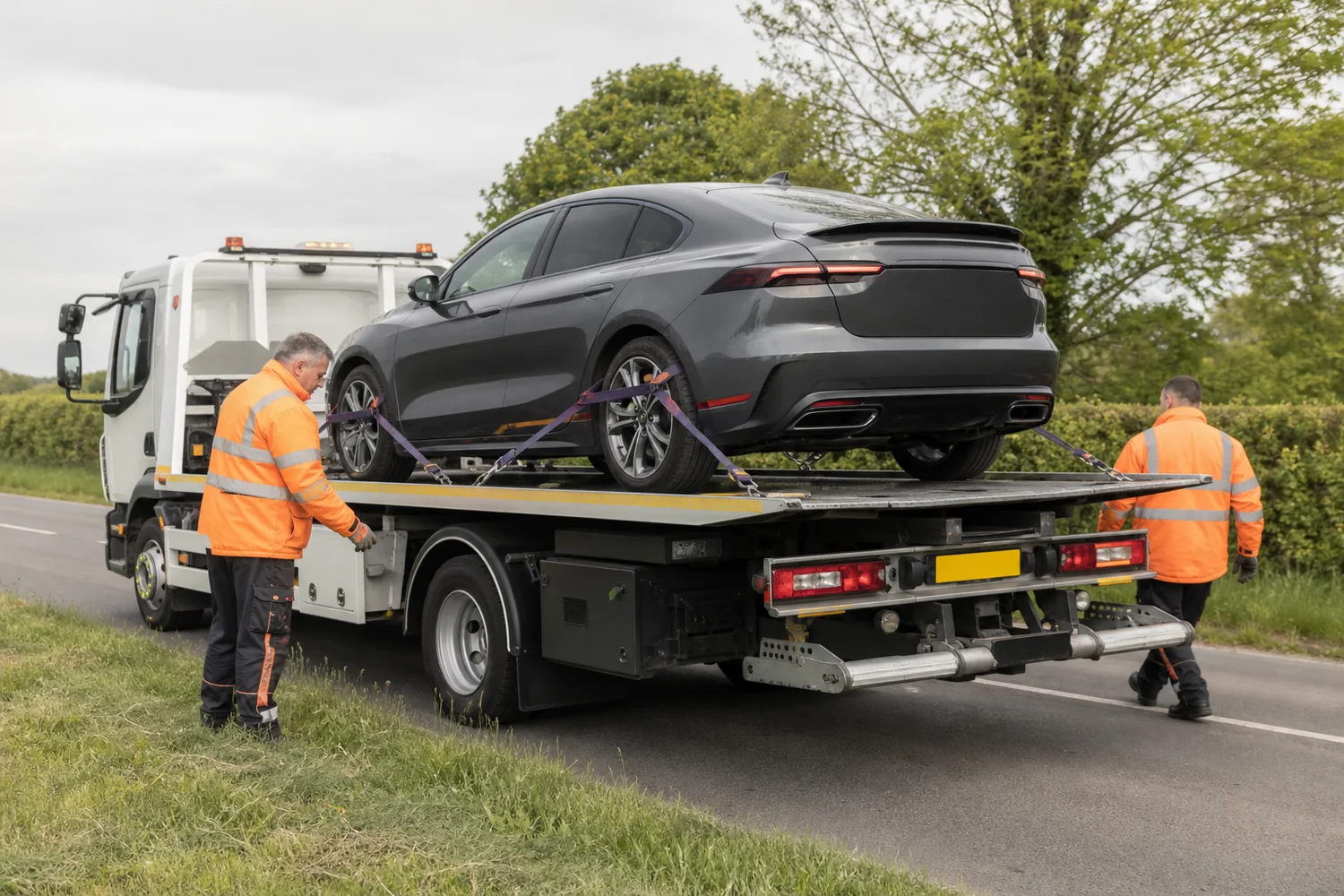
Understanding Vehicle Towing in the UK
When your car breaks down or needs to be moved for repairs, towing is often the best solution. Preparing your vehicle correctly before towage is essential to ensure safety and prevent further damage to your car. This guide provides clear steps UK drivers can take to prepare their vehicle for towing safely and efficiently.
Why Proper Preparation Matters
Incorrect preparation can lead to damage such as transmission issues or scratches during towing, and it might also create hazards on the road. Taking a few simple precautions helps protect your vehicle and enables recovery professionals to perform their job smoothly.
Steps to Prepare Your Vehicle for Towing
- **Consult Your Vehicle’s Manual:** Some cars, particularly modern or automatic ones, have specific towing instructions or restrictions. Check your manual for recommended towing methods.
- **Remove Loose Items:** Clear out any loose belongings inside the car and secure any removable external parts like roof racks or aerials that may come loose during towing.
- **Set the Handbrake Off:** The handbrake locks the wheels and must be released to avoid damage while the vehicle is being towed.
- **Put the Car in Neutral:** This is essential to prevent transmission damage, especially for manual vehicles. For automatics, follow the manufacturer’s instructions; some require flatbed towing instead.
- **Disconnect the Battery if Instructed:** In some cases, especially with electric or hybrid vehicles, disconnecting the battery might be necessary to avoid electronic issues.
- **Ensure Wheels are Free to Roll:** Check that tyres are inflated correctly; flat or badly damaged tyres may require special recovery methods.
- **Inform the Recovery Team of Any Special Features:** Certain cars have low suspension, custom parts or specific towing needs. Providing this information helps recovery experts plan accordingly.
What UK Drivers Should Know About Different Towing Methods
- **Flatbed Towing:** The safest for most vehicles, especially automatics, electric cars and those with modified suspensions, as all wheels are off the ground.
- **Wheel-Lift Towing:** Often used for short distances or smaller vehicles; involves lifting either front or rear wheels.
- **Dollies:** Used to lift two wheels off the ground while the other two remain on the road.
Choosing the right method depends on vehicle type and condition; professional recovery teams like Car Recovery 24 will advise the best option.
Preparing Yourself for Vehicle Recovery
- **Stay Safe:** If your vehicle has broken down, move to a safe place off the carriageway if possible.
- **Have Your Details Ready:** Know your exact location, vehicle model, and any symptoms to inform the recovery team promptly.
- **Keep Emergency Items Handy:** A warning triangle, high-visibility jacket and torch can be invaluable during recovery.
Final Thoughts
Proper vehicle preparation for towing is a simple yet vital step in protecting your car and ensuring a smooth recovery process. Remember to check your owner’s manual and follow guidance from your roadside assistance provider.
If you’re facing a breakdown or need expert vehicle recovery anywhere in the UK, don’t hesitate to contact Car Recovery 24. Our experienced team is ready to assist you with quick, safe and professional towing and roadside support whenever you need it.